A Drip Coffee Maker is pretty much a staple in so many kitchens these days. It just makes life easier for coffee lovers, you know? If you understand how it works, it can really take your brewing game up a notch.
Basically, it all starts when the machine heats up some water. That hot water then slowly drips through the coffee grounds, and before you know it, you’ve got a nice, flavorful cup of coffee. But here’s the thing—not all Drip Coffee Makers are created equal. Some do a better job at extracting those rich flavors than others, and honestly, most people don’t realize this until they actually taste the difference.
Picking the right drip coffee maker is super important. Things like how long it takes to brew, whether it has temperature control, and how easy it is to clean can seriously make or break your morning. When you make informed choices, you end up with better coffee, and let’s be honest, that can make a big difference in your day. Sometimes, it’s those little tweaks in your routine or your equipment that really upgrade your coffee experience. So, take a moment to think about how you make your coffee—who knows, you might discover some room for improvement.
What is a Drip Coffee Maker? A Definition and Overview
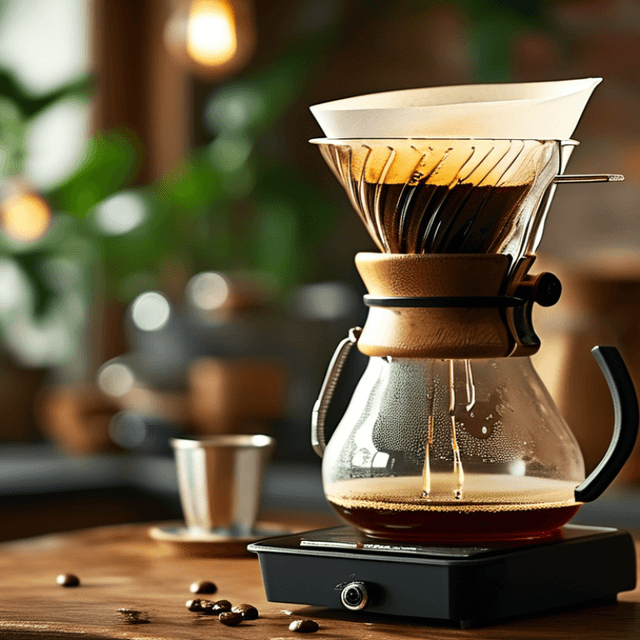
A drip coffee maker is a common appliance found in many kitchens. It brews coffee by dripping hot water through ground coffee beans. This method extracts flavors, making it a popular choice among coffee lovers. The design is simple yet effective, ensuring that you can enjoy a fresh cup of coffee each day.
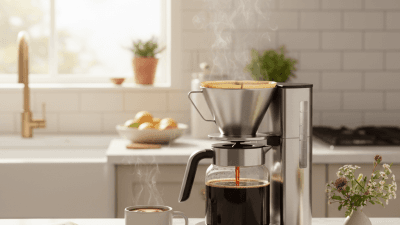
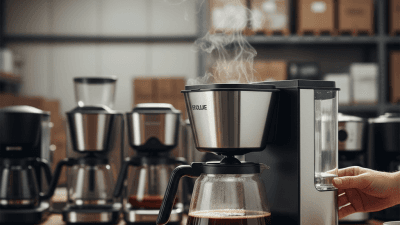
Understanding how it works can enhance your brewing experience. Water is heated in a reservoir and then dispensed onto coffee grounds in a filter. The brewed coffee drips into a carafe below. This process should take around 5-10 minutes, depending on the model. However, some users report inconsistent brewing temperatures, leading to less-than-ideal flavor profiles.
A Cool Drip Coffee Makerbrings another dimension to this brewing method. It allows for meticulous control over the water flow and temperature. This can result in a more refined cup of coffee. Yet, using a Cool Drip Coffee Maker may require practice. Some find it challenging to get the technique just right. Exploring this method can lead to a deeper appreciation of the coffee-making process.
The History and Evolution of Drip Coffee Makers
The history of drip coffee makers traces back to the early 20th century. In 1908, Melitta Bentz, a German housewife, invented the first paper coffee filter. She sought a way to produce a smoother coffee without the bitter taste from boiling grounds. Her design laid the groundwork for modern drip Coffee Machines.
Over the decades, drip coffee makers evolved significantly. By the 1970s, electric drip coffee makers became commonplace in American households. According to the National Coffee Association, about 45% of coffee drinkers preferred this brewing method by the mid-2000s. This rise can be attributed to its convenience and ability to brew in larger quantities.
Creating the perfect cup involves precision. The coffee-to-water ratio plays a crucial role. Using too much or too little coffee can adversely affect flavor. Aim for a ratio of 1:15, adjusting according to your taste preferences.
One common mistake is brewing with old coffee beans. Freshness impacts the aroma and taste profoundly. For optimal results, consume beans within two weeks of roasting. Experiment with grind size and brew time to perfect your method. Each adjustment can reveal different flavor notes, enhancing your coffee experience.
Key Components of a Drip Coffee Maker: What Makes It Work?
A drip coffee maker is a staple in many kitchens, known for its simplicity and efficiency. The main components include a water reservoir, a heating element, a brew basket, and a carafe. Each part plays a crucial role in brewing a flavorful cup. The water reservoir holds the liquid, typically between 12-14 cups. When activated, the heating element warms the water to the ideal brewing temperature of around 195°F to 205°F.
Once heated, the water travels through a tube into the brew basket, which holds the coffee grounds. Data shows that using a standard ratio of 1 to 2 tablespoons of coffee per 6 ounces of water yields optimal flavor. However, not all drip coffee makers extract flavors equally. Factors like water temperature, brew time, and the grind size of coffee can greatly influence the final taste. For instance, a coarser grind may leave under-extracted flavors, while finer grounds can lead to bitterness.
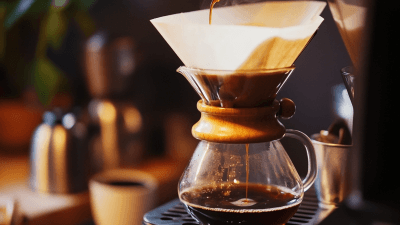
Drip coffee makers are generally reliable, but they can have flaws. Regular cleaning is essential; mineral build-up can affect taste and efficiency. Additionally, not every model has a thermos carafe, which can lead to heat loss over time. Some prefer the Drip Over Coffee Maker for its ability to control the brewing process better, allowing for temperature adjustments and more consistent results. The balance of extraction is vital, reminding users that precision is key to brewing the perfect cup.
How Drip Coffee Brewing Differs from Other Coffee Brewing Methods
Drip coffee makersare a common choice for brewing. They stand out due to their simplistic approach. Unlike Espresso Machines or French presses, they rely on gravity to brew coffee. Water heats up and drips through coffee grounds. This method allows for consistent flavor extraction. Data shows that69% of coffee drinkers prefer this brewing method due to its ease of use.
Brewing with a Filter Drip Coffee Maker offers a different experience compared to methods like cold brew. Cold brew requires a lengthy steeping time. In contrast, drip coffee takes just a few minutes. The temperature of the water is crucial. Optimal brewing occurs between 195°F and 205°F. This temperature range extracts the right oils and flavors. Recent studies indicate that 90% of coffee drinkers enjoy drip coffee's rich aroma and taste. However, some argue that certain nuances can be lost compared to other techniques.
It's essential to consider grind size and coffee-to-water ratios. A common mistake is using coffee that is too coarse or fine. This can lead to over-extraction or under-extraction. A report from the Specialty Coffee Association highlights that 55% of home brewers need guidance on these factors. Awareness of these elements can elevate the brewing experience. Understanding these differences can help coffee enthusiasts refine their brewing skills.
Step-by-Step Guide: How to Use a Drip Coffee Maker Effectively
Using a drip coffee maker can be simple and efficient. Start by filling the machine's reservoir with water. Use fresh, filtered water for the best taste. Measure out your coffee grounds, aiming for one to two tablespoons per six ounces of water. This ratio can change based on your preference. Place a coffee filter in the basket. Then, add the coffee grounds into the filter.
Once everything is set, turn on the machine. As it brews, hot water drips through the grounds, extracting flavor and aroma. The brewed coffee collects in the carafe below. It's important to monitor brewing time; over-brewing can lead to bitterness. Enjoying the aroma while it brews can enhance your experience.
Consider cleaning your coffee maker regularly. Residue can build up and affect flavor. You may feel tempted to skip this step after a busy day, but it’s essential for a good cup. Experiment with different coffee types and grind sizes. Learning your preferences will take time. The journey to the perfect cup is part of the process. Remember, practice makes perfect.
Understanding Coffee-to-Water Ratios for Optimal Brew Quality
When brewing coffee, the coffee-to-water ratio greatly influences the flavor. Optimal ratios can enhance your daily cup. Typically, a 1:15 ratio is a solid starting point, meaning one gram of coffee for every 15 grams of water. This balance leads to a balanced brew. Adjusting this ratio can provide different flavors and strengths.
Experimentation is key. You might find that a stronger brew suits your taste. If that’s the case, consider using a 1:12 ratio. This richer coffee brings out bold flavors, but it may overshadow subtle notes. Weighing your coffee can ensure accuracy. A kitchen scale is an excellent tool for this purpose.
Here’s a tip: start with the 1:15 ratio. Taste the result and adjust incrementally based on your preference. Documenting your experiments can help refine your method. Remember, brewing coffee is both science and art. Don’t be afraid to make mistakes; they can lead to surprising discoveries. A subpar brew can teach you what to avoid next time.
Recent Industry Trends: Innovations in Drip Coffee Technology
Recent advancements in drip coffee technology have transformed how coffee enthusiasts enjoy their daily brews. One notable innovation is the integration of smart technology into drip coffee makers. These devices now offer features like app connectivity, customizable brewing schedules, and precise temperature control. Such advancements cater to the evolving needs of coffee lovers who seek convenience and quality in their brewing process.
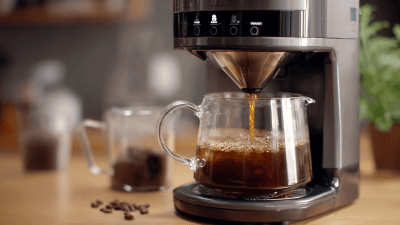
Another trend gaining traction is the inclusion of built-in grinders in drip coffee makers. This feature allows users to grind fresh coffee beans just before brewing. Freshly ground coffee significantly enhances flavor and aroma, setting a new standard for home brewing. However, one must consider the potential downsides. Convenience often leads to less attention to grind size and coffee-to-water ratios. Without careful adjustments, the final product may not reach its full potential.
Moreover, sustainability is becoming a vital aspect in the industry. More manufacturers are focusing on eco-friendly materials and energy-efficient designs. But with rapid innovation comes the challenge of reliability. Users may find it hard to choose the best model among numerous options. Therefore, more research and hands-on testing are necessary to identify what truly meets individual preferences. Users should keep their brewing habits in mind when exploring a Grinder Drip Coffee Maker, as personal taste plays a crucial role in the coffee experience.
What is a Drip Coffee Maker and How Does It Work? - Recent Industry Trends: Innovations in Drip Coffee Technology
| Feature | Description | Recent Innovations |
| Brewing Method | Uses a drip system to brew coffee by passing hot water over coffee grounds. | Smart technology that allows app-based control of brewing times and temperatures. |
| Capacity | Available in various sizes, typically from 4 to 12 cups. | Models with adjustable capacity settings to cater to individual preferences. |
| Material | Commonly made from plastic or stainless steel. | Eco-friendly materials and designs to promote sustainability. |
| Grind Settings | Most models require pre-ground coffee, but some have integrated grinders. | Improved grinders that offer multiple grind size options for enhanced flavor. |
| Temperature Control | Standard brewing temperature ranges from 195°F to 205°F. | Precise temperature control technology for optimal extraction. |
| Timer Function | Allows users to set a brew time in advance. | Models featuring programmable timers that sync with smart home systems. |
The Ultimate Guide to Choosing the Perfect Italian Semi-Automatic Coffee Machine for Your Home
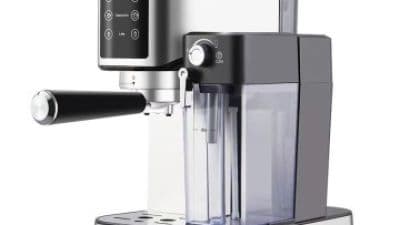
Choosing the perfect Italian semi-automatic coffee machine can elevate your home coffee experience to new heights. These machines bridge the gap between manual craftsmanship and automatic convenience, allowing coffee lovers to take control over the brewing process. With models like the CM5120, featuring a robust power of 1350 watts and a pressure of 20 bar, users can achieve optimal extraction for their coffee, which is essential for bringing out the rich flavors and aromas inherent in quality beans.
The CM5120's 1-liter capacity is ideal for both single servings and gatherings, ensuring that you can enjoy your favorite brews at any time. Its configuration comes complete with essential accessories, such as a funnel, filter, milk tank, and powdered spoon, empowering users to craft not just simple espresso, but also creamy lattes and frothy cappuccinos. According to industry reports, semi-automatic machines are favored by approximately 70% of coffee enthusiasts due to their flexibility, allowing for personalized adjustments in taste and strength.
In an age where consumers seek authenticity in their coffee experience, the semi-automatic category caters to this demand by enabling a hands-on approach to brewing. Studies show that nearly 60% of coffee drinkers prefer machines that offer a degree of customization, highlighting a trend towards quality over convenience in the home coffee market. By investing in a semi-automatic coffee machine, you can join countless others in savoring the art of coffee-making right in your home.
FAQS
: A drip coffee maker brews coffee by dripping hot water through ground coffee beans.
It heats water in a reservoir and dispenses it onto coffee grounds in a filter.
Key parts include a water reservoir, heating element, brew basket, and carafe.
The optimal temperature is between 195°F to 205°F for flavor extraction.
A standard ratio is 1 to 2 tablespoons of coffee per 6 ounces of water.
Yes, coarse grinds can under-extract flavors, while fine grinds may cause bitterness.
Mineral build-up can affect taste and brewing efficiency if not cleaned regularly.
Some models lack a thermos carafe, leading to heat loss over time.
No, factors like temperature, brew time, and grind size can vary results.
Yes, it requires practice for precise control over water flow and temperature.
Conclusion
A Drip Coffee Maker is a popular appliance that brews coffee by dripping hot water over ground coffee beans, allowing gravity to pull the liquid through. This method not only offers convenience but also has a rich history, evolving from simple devices to sophisticated machines that cater to the modern coffee enthusiast. Key components of a drip coffee maker include a water reservoir, a filter basket, and a carafe, all of which work together to create a consistent brewing process.
Understanding how drip coffee brewing differs from other methods is essential for any coffee lover. A step-by-step guide can help users maximize the effectiveness of their drip coffee maker, emphasizing the importance of optimal coffee-to-water ratios for achieving the best flavor extraction. Additionally, recent trends in the industry reveal innovations in drip coffee technology, enhancing the brewing experience and providing users with more options than ever before.