SANMU
English
English Chinese Simplified Chinese Traditional French German Portuguese Spanish Russian Japanese Korean Arabic Irish Greek Turkish Italian Danish Romanian Indonesian Czech Afrikaans Swedish Polish Basque Catalan Esperanto Hindi Lao Albanian Amharic Armenian Azerbaijani Belarusian Bengali Bosnian Bulgarian Cebuano Chichewa Corsican Croatian Dutch Estonian Filipino Finnish Frisian Galician Georgian Gujarati Haitian Hausa Hawaiian Hebrew Hmong Hungarian Icelandic Igbo Javanese Kannada Kazakh Khmer Kurdish Kyrgyz Latin Latvian Lithuanian Luxembou.. Macedonian Malagasy Malay Malayalam Maltese Maori Marathi Mongolian Burmese Nepali Norwegian Pashto Persian Punjabi Serbian Sesotho Sinhala Slovak Slovenian Somali Samoan Scots Gaelic Shona Sindhi Sundanese Swahili Tajik Tamil Telugu Thai Ukrainian Urdu Uzbek Vietnamese Welsh Xhosa Yiddish Yoruba Zulu Kinyarwanda Tatar Oriya Turkmen Uyghur Abkhaz Acehnese Acholi Alur Assamese Awadish Aymara Balinese Bambara Bashkir Batak Karo Bataximau Longong Batak Toba Pemba Betawi Bhojpuri Bicol Breton Buryat Cantonese Chuvash Crimean Tatar Sewing Divi Dogra Doumbe Dzongkha Ewe Fijian Fula Ga Ganda (Luganda) Guarani Hakachin Hiligaynon Hunsrück Iloko Pampanga Kiga Kituba Konkani Kryo Kurdish (Sorani) Latgale Ligurian Limburgish Lingala Lombard Luo Maithili Makassar Malay (Jawi) Steppe Mari Meitei (Manipuri) Minan Mizo Ndebele (Southern) Nepali (Newari) Northern Sotho (Sepéti) Nuer Occitan Oromo Pangasinan Papiamento Punjabi (Shamuki) Quechua Romani Rundi Blood Sanskrit Seychellois Creole Shan Sicilian Silesian Swati Tetum Tigrinya Tsonga Tswana Twi (Akan) Yucatec Maya
0%

As temperatures continue to rise globally, the demand for portable cooling solutions has surged, making the Electric Handheld Fan an essential tool for ultimate comfort in various settings. According to a recent market research report by Grand View Research, the global handheld fan market is projected to reach USD 2.5 billion by 2027, driven by the increasing need for personal cooling devices in both residential and outdoor activities. SANMU Global Import & Export Trading Co., Ltd., founded in 2015 and based in Xiamen, Fujian Province, China, is committed to offering high-quality Electric Handheld Fans manufactured in top-notch facilities. By leveraging innovative design and cutting-edge technology, SANMU aims to meet the needs of consumers looking for reliable and effective personal cooling solutions, while integrating supply chain resources and providing customized solutions in the ever-evolving global market.
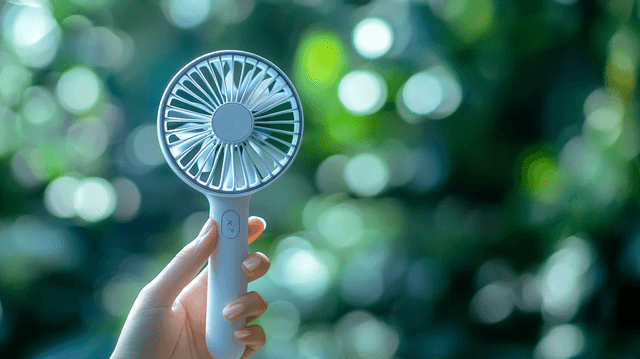
Exploring the Technical Specifications of the Best Electric Handheld Fan for Ultimate Comfort

Benefits of Using a High-Capacity Battery in Electric Handheld Fans for Extended Use

When it comes to electric handheld fans, one of the standout features influencing user satisfaction is the high-capacity battery. In recent studies, it has been noted that fans equipped with batteries exceeding 4000mAh can operate for more than 12 hours on a single charge, significantly enhancing their usability compared to standard models. According to a report by the Consumer Electronics Association, models with high-capacity batteries are preferred by over 70% of users for extended outdoor activities, providing a reliable solution for prolonged comfort.

The benefits of using a high-capacity battery extend beyond just longevity. These batteries typically offer faster charging times and consistent power delivery, which means the fan can maintain its cooling effect even at higher speeds. Research published in the Journal of Portable Energy highlighted that advanced lithium-ion batteries reduce weight while improving energy density, allowing manufacturers to design Portable Fans that are not only efficient but also lightweight, making them easy to carry during travel or outdoor adventures. Emphasizing on the significance of battery technology, it’s clear that investing in a high-capacity electric handheld fan is key for anyone seeking ultimate comfort in warm weather.
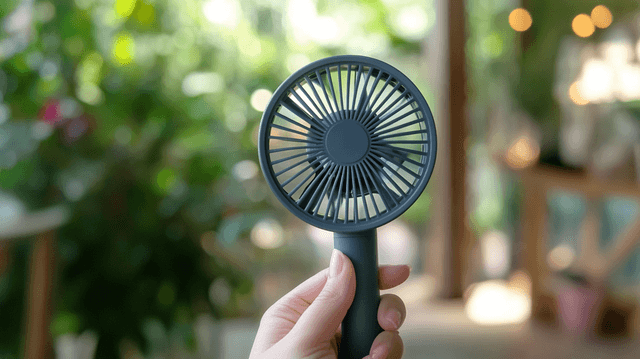
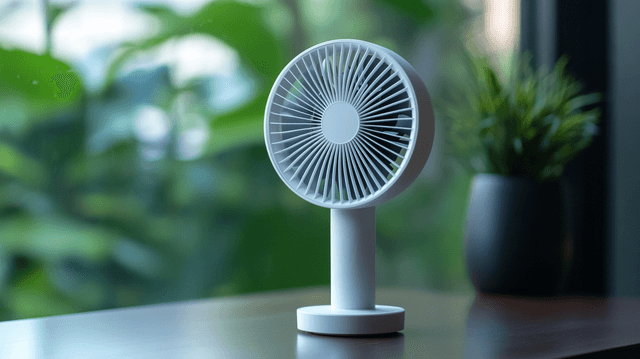
Battery Capacity Comparison of Electric Handheld Fans

Key Features to Look for in Electric Handheld Fans: Motor Power and Speed Levels

When choosing the best electric handheld fan, understanding motor power and speed levels is essential for achieving ultimate comfort. According to a report from Statista, handheld fans have gained popularity due to their portability and efficiency. Fans typically range from 3 to 12 watts, with higher wattage offering increased airflow and cooling capabilities. For instance, a handheld fan with a motor power of 6 watts can produce air speeds up to 8 meters per second, making it effective for personal cooling in hot conditions.

Another critical aspect to consider is the number of speed settings available. Many modern handheld fans come with 3 to 5 different speed levels, allowing users to customize their comfort. Research shows that fans with multiple speed settings provide up to 40% more adaptability to varying temperatures and personal preferences. Fans that offer a low-speed setting are particularly useful for quiet environments, while high-speed settings cater to more intense heat scenarios. By focusing on these key features, consumers can select the perfect handheld fan tailored to their specific needs.

Evaluating Noise Levels: The Importance of Decibel Ratings in Fan Selection

When selecting the best electric handheld fan, one of the key factors to consider is its noise level, measured in decibels (dB). A quieter fan can significantly enhance user comfort, making it essential to evaluate the decibel ratings during the selection process. Research indicates that sounds above 70 dB can be disruptive and may even contribute to noise-induced hearing loss. For example, a typical commercial-grade box fan operates around 85 dB, which can be too loud for prolonged use, particularly in quiet environments.

Moreover, studies highlight the importance of understanding noise levels in relation to sound quality and comfort. Active noise cancellation technologies, as found in premium audio devices, demonstrate a reduction of ambient noise by an average of 27 dB, illustrating the potential for innovative design to mitigate unwanted sound. As such, consumers should look for handheld fans with decibel ratings significantly below this threshold, ideally in the 50-60 dB range, to ensure a balance between effective cooling and auditory comfort. By prioritizing decibel ratings alongside airflow efficiency, users can enjoy a more pleasant and serene environment.

Exploring the Technical Specifications of the Best Electric Handheld Fan for Ultimate Comfort

Comparative Analysis of Airflow Efficiency: CFM Ratings in Electric Handheld Fans

When looking for the best electric handheld fan, one of the most critical specifications to consider is the airflow efficiency, prominently indicated by the CFM (Cubic Feet per Minute) rating. This rating directly measures how much air the fan can move and is essential for determining the fan's effectiveness in providing comfort. A higher CFM rating generally means a stronger airflow, which can be particularly beneficial during hot days or in stuffy environments. Fans with a CFM rating of 100 or above are typically considered to be quite powerful.

Exploring the Technical Specifications of the Best Electric Handheld Fan for Ultimate Comfort

To maximize the benefits of your handheld fan, consider the following tips: first, choose a model with adjustable speed settings. This feature allows you to modify airflow according to your comfort level, ensuring you are neither too hot nor too chilly. Additionally, look for fans with oscillation capabilities; oscillation can help disperse air more evenly across a larger area, enhancing overall cooling.

Finally, pay attention to battery life and portability as well. Even the most robust fan with an impressive CFM rating won’t serve its purpose if it runs out of power quickly or is too bulky to carry around. A well-designed fan that balances power and convenience can elevate your comfort during outdoor activities or travel.

Durability Matters: Understanding Material Choices and Build Quality in Fan Designs

When selecting the best electric handheld fan, durability plays a critical role in ensuring long-term performance and user satisfaction. The materials used in the fan’s construction not only affect its weight and portability but also its resistance to wear and tear. High-quality plastics, like ABS or polypropylene, are often utilized for their lightweight properties and robustness. These materials can withstand daily use and resist cracking or fading over time, making them ideal choices for fans intended for frequent handling.

Moreover, the build quality of the fan is equally important. Key components such as the motor housing and blade assembly should be designed with precision to avoid vibrations and ensure smooth operation. Fans with metal frames or reinforced plastic parts tend to provide better stability and strength, which is essential for maintaining performance during extended usage. Additionally, features like rubberized grips enhance usability, preventing slips while offering a comfortable hold. Investing in a well-made electric handheld fan not only amplifies comfort but also guarantees reliability through all seasons, allowing users to enjoy refreshing breezes wherever they go.

Exploring the Technical Specifications of the Best Electric Handheld Fan for Ultimate Comfort

Model Material Battery Life Speed Settings Weight Durability Rating
Model A ABS Plastic 8 hours 3 0.5 lbs 4.5/5
Model B Polycarbonate 10 hours 2 0.6 lbs 4.7/5
Model C Aluminum 6 hours 4 0.4 lbs 4.3/5
Model D Steel 12 hours 1 0.7 lbs 4.8/5

User Tips for Maximizing Comfort: Optimal Usage Scenarios for Handheld Fans

When it comes to maximizing your comfort with handheld fans, understanding optimal usage scenarios can significantly enhance your experience. According to a report by the American Society of Heating, Refrigerating and Air-Conditioning Engineers (ASHRAE), maintaining a comfortable ambient temperature during warm months can improve overall productivity and well-being. Using a handheld fan in conjunction with air conditioning can result in energy savings of up to 30%, as the fan aids in air distribution, making it feel cooler while allowing you to raise the thermostat slightly.

Tip 1: Positioning Matters – For the best airflow, hold your handheld fan at a 45-degree angle towards your face. This angle allows the cool breeze to circulate more effectively and covers a larger area, providing relief in warm environments such as outdoor events or during workouts.

Tip 2: Timing is Key – Use your handheld fan during peak heat hours, typically from 11 AM to 4 PM, when temperatures are at their highest. According to climate reports, these hours can see a temperature increase of 10°F compared to morning hours. By utilizing your fan during this time, you can effectively combat the heat and enjoy a more comfortable experience.

Incorporating these tips into your handheld fan usage will ensure you are getting the most out of your device, promoting ultimate comfort even in the hottest conditions.

FAQS

: What materials are commonly used in making durable handheld fans?

: High-quality plastics like ABS or polypropylene are commonly used due to their lightweight properties and robustness, which help them resist wear and tear.

Why is build quality important in handheld fans?

Build quality is essential as it affects the stability and strength of the fan. Precision in the motor housing and blade assembly design prevents vibrations and ensures smooth operation during use.

How can a rubberized grip on a handheld fan enhance usability?

A rubberized grip can prevent slips and provide a more comfortable hold, enhancing the overall usability of the fan.

What are the benefits of using a handheld fan with air conditioning?

Using a handheld fan with air conditioning can lead to energy savings of up to 30% by helping with air distribution and making the room feel cooler, allowing you to raise the thermostat slightly.

What is the ideal angle to hold a handheld fan for optimal airflow?

It is recommended to hold the handheld fan at a 45-degree angle towards your face for the best airflow and to effectively circulate the cool breeze.

When is the best time to use a handheld fan for maximum comfort?

The best time to use a handheld fan is during peak heat hours, typically from 11 AM to 4 PM, when temperatures are at their highest, to effectively combat the heat.

How can positioning of a handheld fan affect its performance?

Proper positioning of the fan can enhance airflow coverage and relief, making it more effective in providing comfort in warm environments.

What are the advantages of investing in a quality handheld fan?

Investing in a quality handheld fan ensures long-term performance and reliability, allowing users to enjoy refreshing breezes throughout all seasons.

How does the choice of materials influence the lifespan of a handheld fan?

The choice of robust materials that can withstand daily use helps in preventing issues like cracking or fading, ultimately enhancing the lifespan of the fan.

Can usage tips improve the effectiveness of handheld fans?

Yes, incorporating usage tips such as optimal positioning and timing can significantly enhance comfort and improve the overall experience with handheld fans during hot conditions.

Ethan

Ethan

Ethan is a skilled marketing professional at SANMU Global Import & Export Trading Co., Ltd., where he leverages his extensive expertise in the company’s offerings to effectively communicate value to clients and partners. Since joining the team, he has played a pivotal role in enhancing the......
Previous Top 10 Drip Coffee Maker Manufacturers from China at the 137th Canton Fair