Vintage Coffee Machine Tips for Perfect Brewing Every Time?
Table of Contents
- Choosing the Right Vintage Coffee Machine for Your Needs
- Understanding the Different Types of Vintage Coffee Machines
- Essential Maintenance Tips for Vintage Coffee Machines
- Key Brewing Techniques for Optimal Flavor Extraction
- Using Fresh Ingredients for the Best Vintage Coffee Experience
- Troubleshooting Common Vintage Coffee Machine Issues
- Enhancing Your Coffee Brewing Ritual with Vintage Machines
- Transform Your Mornings: The Ultimate Guide to Choosing a Fully Automatic Coffee Machine
- FAQS
- Conclusion
- Related Posts
When it comes to coffee, there’s something really charming about a vintage coffee machine. They’ve got this nostalgic vibe that just pulls you in, but honestly, mastering how to use one isn’t always straight-up easy. Like coffee pro Sam Brewster from Brewed Awakenings says, “Brewing with vintage machines takes patience and practice if you want to really get the best out of them.”
If you’re messing around with a vintage machine, getting the right grind size is kinda everything. If it’s too coarse, your coffee might turn out pretty weak—nothing special. But if it’s too fine, it’s likely to clog, which is super frustrating. The water temperature? Yeah, that’s a big deal too—get it right, and your cup can be amazing; mess it up, and it’s what separates okay from wow. Paying attention to these little details really pays off.
Now, I won’t lie—bumping into some bumps along the way is part of the fun. Finding that perfect balance between coffee and water often takes some trial and error. Making good coffee on one of these machines isn’t just about pressing a button — it’s an art. So, don’t worry about the imperfections, learn from each brew, and let the process make your coffee experience more personal and, honestly, more rewarding.
Choosing the Right Vintage Coffee Machine for Your Needs
When choosing a vintage Coffee Machine, think about your brewing style. There are different types, from percolators to Espresso Machines. Each has unique features. A vintage percolator can provide a rich, bold flavor. However, mastering this method takes practice. Some users report uneven brewing temperatures, which can affect taste.
Consider the machine's material. Stainless steel and aluminum are common in vintage models. Stainless steel offers durability, while aluminum might add a distinctive taste. A survey from the Specialty Coffee Association shows that 65% of coffee enthusiasts prefer machines made from stainless steel. This preference highlights the importance of taste and quality.
Also, reflect on the ease of use. Some Vintage Coffee Machines can be tricky. They may lack user-friendly features found in modern models. Difficulty in controlling water flow is another challenge. Research suggests that inconsistent brewing can lead to disappointing cups. Thus, take the time to find a coffee machine that meets your needs.
Vintage Coffee Machine Tips for Perfect Brewing Every Time
| Feature | Importance | Recommended Action |
|---|---|---|
| Material Quality | Affects durability and flavor | Choose stainless steel or brass models |
| Size | Determines brewing capacity | Select based on daily consumption |
| Type of Brew Method | Influences flavor profile | Experiment with different brewing styles |
| Ease of Use | Enhances the brewing experience | Look for user-friendly designs |
| Maintenance | Ensures longevity and quality | Select models that are easy to clean |
Understanding the Different Types of Vintage Coffee Machines
Vintage coffee machines come in various types, each with its unique brewing style. One popular type is the percolator. It brews coffee by cycling boiling water through grounds. This method can sometimes lead to over-extraction, resulting in bitterness. Many find this taste nostalgic, but it can pull some flavors too strongly.
Another interesting option is the French press. This method allows for immersion brewing. Coarse coffee grounds steep in hot water, which brings out rich, robust flavors. However, the sediment left behind can be a drawback for some coffee drinkers. The texture varies, and not everyone appreciates the grit in their cup.
Lastly, the espresso machine offers a precise brewing process. It creates concentrated shots of coffee, but it demands practice. Dialing in the right grind size can be tricky. Many struggle to achieve consistency at first. Each method has its quirks and requires a bit of feedback and adjustment. Vintage machines might not brew perfectly every time, but that's part of their charm.
Essential Maintenance Tips for Vintage Coffee Machines
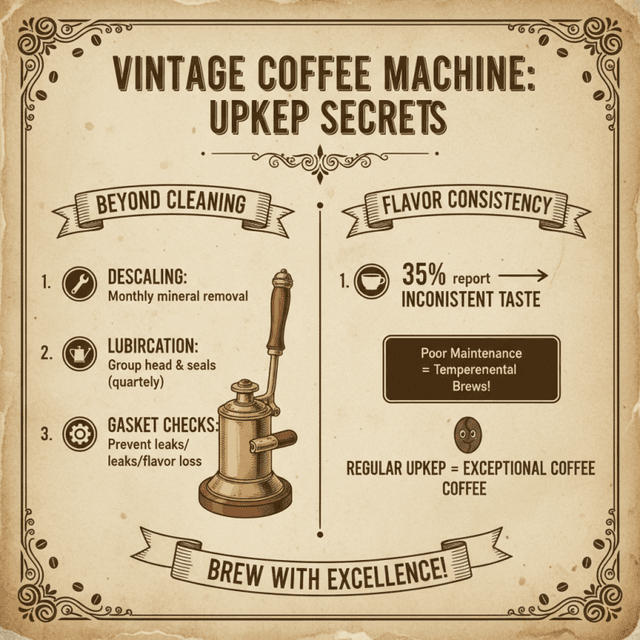
Maintaining a vintage coffee machine requires more than just cleaning. Regular upkeep keeps your brewing taste exceptional. According to industry reports, nearly 35% of coffee enthusiasts experience inconsistent flavor due to poor maintenance. These machines can be temperamental, just like their owners.
Daily steps matter. Start by checking the water reservoir for residue. Old coffee oils can build up and influence taste. A simple wipe with a soft cloth often suffices. Many forget this and end up with bitter brews. Also, descaling the machine should happen bi-monthly. You can use a vinegar solution for this purpose. 15% of users neglect this aspect, leading to decreased performance.
Don’t overlook the importance of checking seals and gaskets. They can wear down over time. This is often a hidden failure point. A faulty Pod Coffee Machine, even when used occasionally, can accumulate debris, affecting its longevity. Take a moment to inspect these parts; a small leak can become a major problem. Remember, a little effort goes a long way in preserving the vintage charm of your coffee experience.
Key Brewing Techniques for Optimal Flavor Extraction
Brewing coffee with a vintage coffee machine requires care and attention to detail. Key brewing techniques can elevate your morning cup, but minor mistakes can lead to disappointing results. For optimal flavor extraction, start with quality coffee beans. The grind size matters. A coarser grind is ideal for methods like French press, while finer grinds suit espresso.
Temperature plays a crucial role too. Water that's too hot can scald the beans, leading to bitter flavors. Aim for a temperature around 195°F to 205°F. Measure your water and coffee accurately. A coffee-to-water ratio of 1:15 is a good baseline. Experimenting with these ratios can produce surprising results.
When using a Car Coffee Machine, make sure to clean it regularly. Residue buildup can affect flavor extraction. Pay attention to your brewing time; over-extraction can cause bitterness. If your coffee tastes off, don’t hesitate to tweak these variables. The process might take patience, but the rewards are more than worth it.
Using Fresh Ingredients for the Best Vintage Coffee Experience
Using fresh ingredients is crucial for a vintage coffee experience. According to a study by the Specialty Coffee Association, the quality of coffee beans directly affects flavor. Freshly roasted beans provide a vibrant taste. Aim to use coffee within two weeks of roasting for optimal freshness.
Tip: Always store your coffee beans in an airtight container. Light and air can rapidly degrade their quality. Choose a dark, cool place instead. Avoid the fridge; moisture can ruin coffee.
Grinding your beans just before brewing is another key factor. Ground coffee loses flavor quickly. A report from the European Coffee Trip showed that freshly ground coffee maintains its aromatic compounds better than pre-ground options. The right grind size matters too, as it influences extraction rates.
Tip: Use a burr grinder for consistency. This may require some practice. Experiment with different grind sizes to find what suits your palate best. Don't hesitate to adjust based on your brewing method too. Each step has room for improvement.
Troubleshooting Common Vintage Coffee Machine Issues
Vintage coffee machines can be a joy to use, but they often bring unique challenges. If your vintage machine struggles to brew consistently, it may be time to troubleshoot. Start by checking for clogs in the filter or the brew path. A tiny blockage can dramatically affect the flow of water. Keep the components clean, especially the water reservoir and the filter basket.
Water temperature is crucial for perfect coffee. If your coffee tastes off, the water might not be hot enough. Vintage machines may not regulate temperature as well as modern ones. Make adjustments based on your taste preferences. Pay attention to the amount of coffee used too. Sometimes, using too much or too little can lead to disappointing results.
It's common to face issues with brewing speed. If your coffee takes too long, the machine may need a reminder of its purpose. Sometimes, it's just about letting it rest. Vintage components might take time to heat up properly. Consider regular maintenance to avoid these hiccups. If problems persist, maybe explore options like a Usb Coffee Machine for a quick fix on busy mornings.
Enhancing Your Coffee Brewing Ritual with Vintage Machines
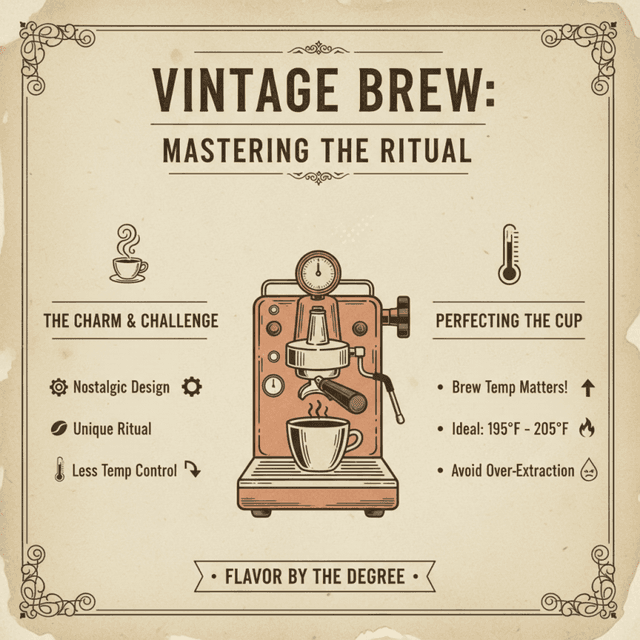
Brewing coffee with vintage machines adds a unique charm to your ritual. The intricate designs often evoke nostalgia. Yet, achieving the perfect cup requires attention to detail. According to recent industry reports, brewing temperature can significantly influence taste. Ideal brewing temperatures range from 195°F to 205°F. Vintage machines may lack precise temperature control, leading to potential over-extraction.
Another aspect to consider is the grind size. For vintage equipment, a medium grind often works best. However, many users struggle with consistency. Inconsistent grind can result in a flat flavor profile. Experts suggest weighing coffee beans for accurate measurements. A typical ratio is 1:16, coffee to water. This ratio can help maintain balanced flavors.
Cleaning is crucial for any coffee machine. Vintage models can accumulate mineral buildup over time. Regular cleaning can enhance longevity. Yet, many users overlook maintenance. This can affect the quality of your brew. Keeping your machine in top shape is essential for the best experience. Embracing the imperfections in your brewing journey may lead to surprising discoveries. Often, the process itself becomes as enjoyable as the final cup.
Transform Your Mornings: The Ultimate Guide to Choosing a Fully Automatic Coffee Machine
Transforming your mornings begins with the perfect coffee experience, and investing in a fully Automatic Coffee Machine can elevate your routine. A standout feature to look for in such machines is the one-touch cappuccino and latte function. This allows you to craft café-quality beverages at home with minimal effort, ensuring that every morning starts on a delicious note.
When choosing a coffee machine, consider its versatility and user convenience. For instance, a fully automatic model often includes a colorful LCD display that simplifies navigation through settings. The adjustable coffee spout caters to different cup sizes, while the generous bean container capacity ensures you won't run out of your favorite beans too quickly. Additionally, features like a removable water tank and brewing unit make cleaning a breeze, allowing you to maintain your machine with ease.
It's also beneficial to look for advanced features such as a programmable energy-saving mode and a double heat tank system. These innovations not only contribute to a more efficient brewing process but also allow for the simultaneous preparation of your coffee and hot water for tea. With a maximum pressure of 19 bar, you can expect rich and flavorful coffee every time, making your mornings truly transformative.
FAQS
: The article aims to provide insights on a topic relevant to many.
You can implement the suggestions in your daily routine. Take small steps to start.
Yes, many face difficulties in understanding or applying the concepts. Reflection can help.
It's normal to feel frustrated. Adjust your approach and be patient. Results take time.
Resources such as online forums or community groups can offer guidance. Seek help if needed.
Set achievable goals. Celebrate small wins and remind yourself of your reasons for starting.
Yes, knowledge evolves. Regularly check for updates or new findings related to the topic.
It's okay to have differing opinions. Reflect on your perspective and consider other views.
Starting can be challenging. Focus on one small change at a time. Progress matters more than perfection.
Conclusion
The article "Vintage Coffee Machine Tips for Perfect Brewing Every Time" provides a comprehensive guide for coffee enthusiasts looking to optimize their brewing experience using vintage machines. It begins by helping readers choose the right vintage coffee machine suited to their personal needs, while also explaining the various types available, ranging from classic drip models to espresso makers. Essential maintenance tips are highlighted to ensure longevity and performance of the vintage coffee machines.
Furthermore, the article delves into key brewing techniques that enhance flavor extraction and emphasizes the importance of using fresh, high-quality ingredients for the best possible coffee experience. Common issues with vintage coffee machines are addressed, alongside troubleshooting methods to resolve them. Finally, the piece encourages readers to enhance their coffee brewing ritual, celebrating the unique charm and richness of using vintage machines to create perfect brews every time.
Related Posts
-

How to Choose the Best White Air Fryer for Your Kitchen?
-
Ultimate Guide to Choosing the Perfect Electric Fryer for Your Kitchen
-
Kitchen Master Airfryer Reviews: What Makes It a Must-Have Kitchen Gadget?
-
How to Optimize Your Cooking with Power Airfryer for Healthier Meals
-
Best Electric Deep Fryer of 2026 What to Look For?
-
How to Choose the Right Coffee Machine for Your Perfect Brew