SANMU
English
English Chinese Simplified Chinese Traditional French German Portuguese Spanish Russian Japanese Korean Arabic Irish Greek Turkish Italian Danish Romanian Indonesian Czech Afrikaans Swedish Polish Basque Catalan Esperanto Hindi Lao Albanian Amharic Armenian Azerbaijani Belarusian Bengali Bosnian Bulgarian Cebuano Chichewa Corsican Croatian Dutch Estonian Filipino Finnish Frisian Galician Georgian Gujarati Haitian Hausa Hawaiian Hebrew Hmong Hungarian Icelandic Igbo Javanese Kannada Kazakh Khmer Kurdish Kyrgyz Latin Latvian Lithuanian Luxembou.. Macedonian Malagasy Malay Malayalam Maltese Maori Marathi Mongolian Burmese Nepali Norwegian Pashto Persian Punjabi Serbian Sesotho Sinhala Slovak Slovenian Somali Samoan Scots Gaelic Shona Sindhi Sundanese Swahili Tajik Tamil Telugu Thai Ukrainian Urdu Uzbek Vietnamese Welsh Xhosa Yiddish Yoruba Zulu Kinyarwanda Tatar Oriya Turkmen Uyghur Abkhaz Acehnese Acholi Alur Assamese Awadish Aymara Balinese Bambara Bashkir Batak Karo Bataximau Longong Batak Toba Pemba Betawi Bhojpuri Bicol Breton Buryat Cantonese Chuvash Crimean Tatar Sewing Divi Dogra Doumbe Dzongkha Ewe Fijian Fula Ga Ganda (Luganda) Guarani Hakachin Hiligaynon Hunsrück Iloko Pampanga Kiga Kituba Konkani Kryo Kurdish (Sorani) Latgale Ligurian Limburgish Lingala Lombard Luo Maithili Makassar Malay (Jawi) Steppe Mari Meitei (Manipuri) Minan Mizo Ndebele (Southern) Nepali (Newari) Northern Sotho (Sepéti) Nuer Occitan Oromo Pangasinan Papiamento Punjabi (Shamuki) Quechua Romani Rundi Blood Sanskrit Seychellois Creole Shan Sicilian Silesian Swati Tetum Tigrinya Tsonga Tswana Twi (Akan) Yucatec Maya
0%

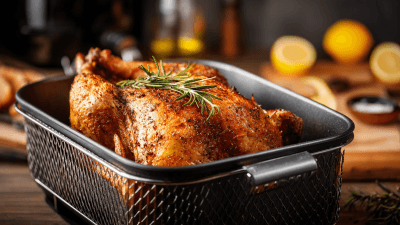
Using a Turkey Deep Fryer can really help you whip up some delicious meals, but let’s be honest—safety has to come first. A lot of people don’t realize just how risky frying can be. Hot oil isn’t something to mess around with; burns can happen in a flash, and one little mistake could be serious.

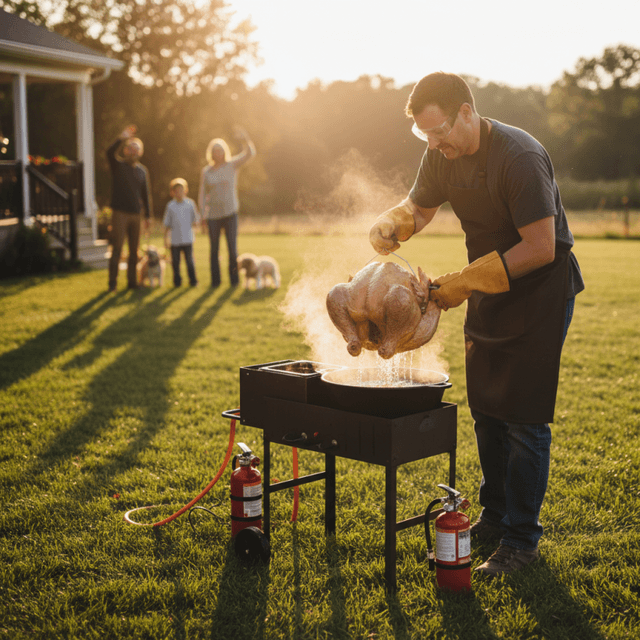
Preparation is everything. Make sure you’re frying outside — preferably in a spacious area where nothing can get in the way. Keep kids and pets well out of reach, just to be safe. Also, it’s super important that your turkey is completely thawed. Even a tiny bit of moisture can cause big splatters that you definitely don’t want. Trust me, it’s better to be cautious.

Now, I get it, fried turkey tastes amazing, but don’t forget—this isn’t just about cooking. It’s about staying safe while you do it. A Turkey Deep Fryer isn’t just some kitchen gadget; it’s something that demands respect. Those potential hazards are there for a reason, so you’ve got to stay alert. Enjoy biting into that juicy, crispy turkey, but always put safety at the top of your list.
Essential Tips for Using a Turkey Deep Fryer Safely

Understanding the Risks of Deep Frying a Turkey
Essential Tips for Using a Turkey Deep Fryer Safely

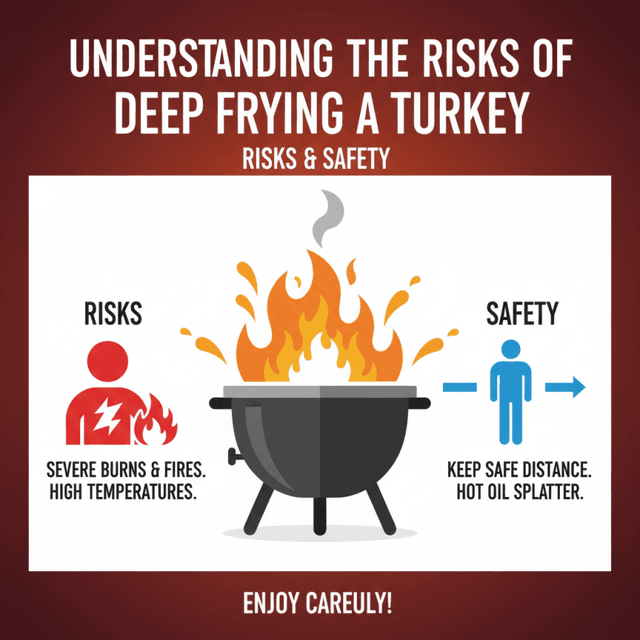
Deep frying a turkey can create a mouthwatering dish, but it comes with significant risks. The high temperatures involved can lead to severe burns or even fires. When hot oil splatters, anyone nearby can get hurt. Always keep a safe distance when frying.

Proper preparation is crucial. Use a fryer on a stable, flat surface, away from structures or flammable materials. Never overfill the pot with oil. This can cause overflow and ignite flames. A common mistake is frying a frozen turkey. Always thaw and dry it before lowering it into the hot oil.

Accidents can happen quickly. Stay alert and be mindful of children and pets around the frying area. A fire extinguisher should be close at hand. If oil catches fire, do not use water. Instead, cover the pot with a metal lid to smother the flames. These simple steps can help prevent tragic accidents while enjoying a delicious holiday feast.
Choosing the Right Turkey Deep Fryer for Your Needs

When selecting a turkey deep fryer, consider your cooking needs and available space. A report from the National Fire Protection Association outlines that turkey frying leads to over 1,000 home fires annually. Therefore, choosing a stable, large capacity fryer is crucial for safety. Look for models that can hold at least 30 quarts, accommodating large turkeys without overflowing oil.

Evaluate the fryer’s material. Stainless Steel Fryers withstand high temperatures better than aluminum options. A study by the American Society for Testing and Materials shows that stainless steel is less prone to warping. Moreover, ensure your fryer includes safety features, such as a built-in thermostat and flame control. Not all fryers have proper safety measures, exposing users to potential hazards.

Another vital factor is the heat source. Propane fryers are popular, but they must be used outdoors. This raises questions about the convenience of use and the risk of burns. It’s essential to weigh the pros and cons of oil capacity. Using too much oil increases the risk of overflow, while too little might cook the turkey unevenly. Always prioritize safe usage to enjoy delicious results.

Essential Tips for Using a Turkey Deep Fryer Safely

Feature Recommendation Safety Tips
Fryer Type Propane or Electric Ensure outdoor use for propane fryers
Capacity 10 to 20 lbs turkey Choose based on turkey size
Material Stainless Steel or Aluminum Ensure sturdy construction
Thermostat Feature With adjustable thermostat Maintain consistent oil temperature
Safety Equipment Fire extinguisher nearby Keep safety gear close at hand
Oil Type Peanut oil or Canola oil Check for allergies before use
Location Open, outdoor area Avoid overhanging branches

Preparing Your Cooking Area for Safe Frying Operations

When preparing your cooking area for using a Turkey Fryer, start by ensuring you have enough space. Clear the area of any flammable materials. Move furniture, decorations, and anything that could catch fire. You want at least a 10-foot radius around the fryer. This creates a safe zone for you and your guests.

Next, use a sturdy outdoor surface for frying. A concrete patio or an even ground is ideal. Avoid using the fryer on wooden decks or grassy areas. These surfaces can catch fire easily. Have a fire extinguisher within reach, just in case. A full bucket of water won’t work; it could make things worse.

Check your oil levels carefully. Too much oil can lead to dangerous spills.A few splashes can create big problems. Make sure your Turkey Fryer is stable.Any wobbling can be risky, leading to uneven cooking. Set up your cooking area thoughtfully. Doing it right can help you enjoy a delicious turkey without the worry.

Essential Safety Gear: What to Wear When Deep Frying

Essential Tips for Using a Turkey Deep Fryer Safely

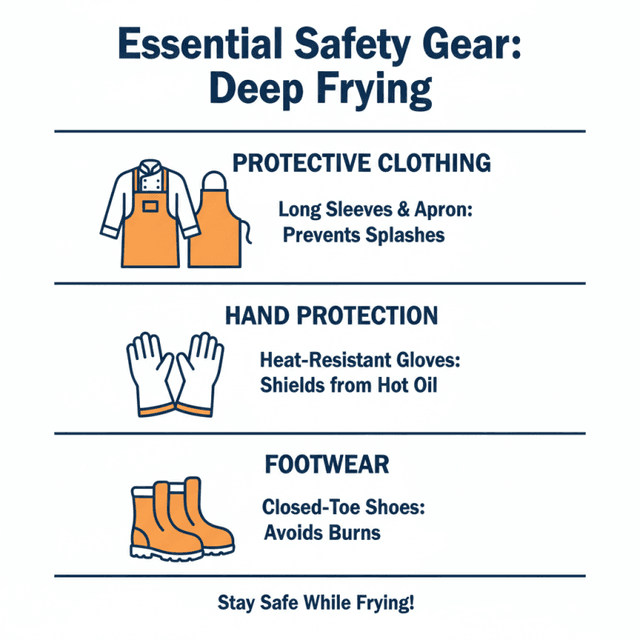
When using a turkey deep fryer, safety gear is vital. Wear protective clothing. Long sleeves and aprons are great choices. Heat-resistant gloves are essential. They protect your hands from hot oil splashes. Shoes are important too. Closed-toe shoes help avoid burns.

Be mindful of your surroundings too. Keep the fryer in an open area, away from flammable items. Wind can carry splashes. It's crucial to have a fire extinguisher on hand. You never know when an accident may happen, especially when using an Indoor Turkey Fryer.

Tips for a safer frying experience: Always monitor the temperature of the oil. Too hot can cause spills. Use a sturdy, flat surface for your fryer. A shaky base can lead to disaster. Lastly, remember to have a buddy nearby. They can assist in case of an emergency.

Step-by-Step Guide to Safely Frying Your Turkey

Frying a turkey can be a delicious way to celebrate the holidays, but safety is essential. The National Fire Protection Association reports that Thanksgiving Day is the peak time for home cooking fires. Ensuring the safe use of a deep fryer is crucial. Start by setting up your frying station outdoors, away from any structures. Keep kids and pets at a distance.

Prepping the turkey properly is vital. The turkey must be completely thawed. Residual ice or water can cause dangerous flare-ups when it hits the hot oil. The USDA recommends using an Electric Turkey Fryer for more controlled cooking temperatures. This reduces the risk of oil spills and fire hazards compared to traditional frying methods.

Monitoring the oil temperature is critical. Ideal frying occurs at 350°F. Overheating the oil can lead to smoke and combustion. Use a thermometer to keep track and adjust the heat as necessary. Always have a fire extinguisher nearby, just in case. It's never too safe when working with large volumes of hot oil. Remember, if something goes wrong, reflection on the situation is key. Employing safety measures can prevent accidents and make your turkey frying experience enjoyable.

Proper Oil Management: Types, Quantities, and Disposal

Using a turkey deep fryer involves careful oil management. The type of oil you choose plays a crucial role in both flavor and cooking safety. Canola oil is popular due to its high smoke point. Research shows that oils with higher smoke points can withstand frying temperatures without breaking down. This prevents off-flavors and potential health issues from degraded oils.

Quantities matter too. The right amount of oil is essential for safe frying. Too little oil can cause splatter, while too much can lead to overflow and fire hazards. Studies indicate that over 1,000 injuries each year are linked to deep-frying accidents, often due to improper oil management. This emphasizes the need for accurate measurements and a safe frying environment.

Disposal of used oil also deserves attention. Pouring it down the drain is not advisable. This can lead to clogged plumbing and environmental issues. Many regions have recycling programs for cooking oil. Proper disposal not only helps the environment but also prevents potential fines. Using local disposal stations can be part of responsible cooking practices. Reflecting on these details can save you from accidents and promote better oil management.

Emergency Procedures for Accidents and Fires While Frying

In the excitement of cooking, safety can easily be overlooked. When using a Deep Fryer, accidents can happen quickly. According to the National Fire Protection Association (NFPA), cooking equipment is involved in over 49% of home fires. It's crucial to be prepared for emergencies when frying.

If a fire breaks out, turn off the deep fryer immediately. Never try to extinguish a grease fire with water. Instead, use a fire extinguisher rated for grease fires or cover the pot with a metal lid to smother the flames. Keep in mind that 66% of deep fryer fires occur when the fryer is left unattended. Always have a fire extinguisher on hand.

Injuries can also happen during frying. If hot oil splashes, immediately run cold water over the burn for at least 20 minutes. Many people ignore their first aid kits. According to the American Burn Association, nearly half of all burn injuries occur in the kitchen. With safe practices, you can enjoy frying turkey without becoming part of the statistics.

Turkey Deep Fryer Safety Tips: Incident Statistics

FAQS

: How much space do I need around the fryer?

: Maintain at least a 10-foot radius around the fryer to ensure safety.

What kind of surface should I use for frying?

Use a sturdy outdoor surface like concrete. Avoid wooden decks or grassy areas.

Why is it important to wear protective clothing?

Protective clothing prevents burns from hot oil splashes. Long sleeves and aprons help.

What should I have on hand while frying?

Keep a fire extinguisher nearby. You never know when an accident may happen.

How do I manage oil levels in the fryer?

Check oil quantities carefully. Too much can overflow; too little can cause splatter.

What should I not do with used cooking oil?

Avoid pouring used oil down the drain. It can clog plumbing and harm the environment.

Why is monitoring oil temperature important?

Overheating oil can cause spills and dangerous situations. Keep an eye on the heat.

What happens if the fryer is unstable?

A shaky fryer can lead to spills. Ensure it's stable to avoid accidents.

How can I safely dispose of used oil?

Participate in local recycling programs or use disposal stations. It helps the environment.

What is a key tip for frying safely?

Always have a buddy nearby. They can assist in case of an emergency.

Conclusion

When using a Turkey Deep Fryer, it is crucial to understand the inherent risks involved in deep frying turkey to ensure a safe cooking experience. The first step involves selecting the right fryer that meets your specific needs, followed by adequately preparing your cooking area to minimize hazards. Wearing essential safety gear, such as heat-resistant gloves and protective eyewear, is vital during the frying process.

To safely fry your turkey, follow a detailed step-by-step guide that includes proper oil management—knowing the types of oil suitable for frying, their quantities, and how to dispose of them responsibly. Lastly, be prepared for any emergencies by having procedures in place for accidents, such as fires, that may occur while frying. By adhering to these tips, you can enjoy a delicious deep-fried turkey safely.

Charlotte

Charlotte

Charlotte is a dedicated marketing professional at SANMU Global Import & Export Trading Co., Ltd., a company established in 2015 and based in Xiamen, Fujian Province, China. With a strong focus on digital innovation, she plays a crucial role in positioning the company as a leading global trade......
Previous Top 10 Drip Coffee Maker Manufacturers from China at the 137th Canton Fair