What is an Espresso Machine and How Does It Work?
Table of Contents
- What is an Espresso Machine? A Comprehensive Overview
- The Historical Evolution of Espresso Machines
- Key Components of an Espresso Machine and Their Functions
- How Pressure and Temperature Affect Espresso Extraction
- Step-by-Step Guide to Brewing Espresso with a Machine
- Comparison of Different Types of Espresso Machines in the Market
- Common Issues and Maintenance Tips for Espresso Machines
- Brewing Perfection: Exploring the Best Italian Espresso Capsule Machines for Coffee Lovers
- FAQS
- Conclusion
- Related Posts
An espresso machineisn’t just some gadget—it really embodies the art of brewing coffee. As Mike McKim, a well-known figure in the coffee world, puts it, “An Espresso Machine is the heart of a great café.” That really drives home how important it is to get to grips with your machine if you want that perfect shot of espresso.
Getting a handle on how an espresso machine works means understanding its parts. Every little component has a role in the brewing process—from setting the right water temperature to applying just the right pressure. And honestly, not every machine behaves perfectly all the time. Sometimes, you have to tinker and tweak things a bit to squeeze out that rich, bold flavor we’re all craving.
There are different types of espresso machines out there—some are manual, others fully automatic. Each one has its own quirks and perks. If you’re new, you might find it tricky to keep your shots consistent, or maintenance might feel like a hassle. But honestly, the more you learn and experiment, the more enjoyable the journey becomes. Mastering an espresso machine isn’t a one-time thing; it’s an ongoing adventure filled with chances to learn and grow, one cup at a time.
What is an Espresso Machine? A Comprehensive Overview
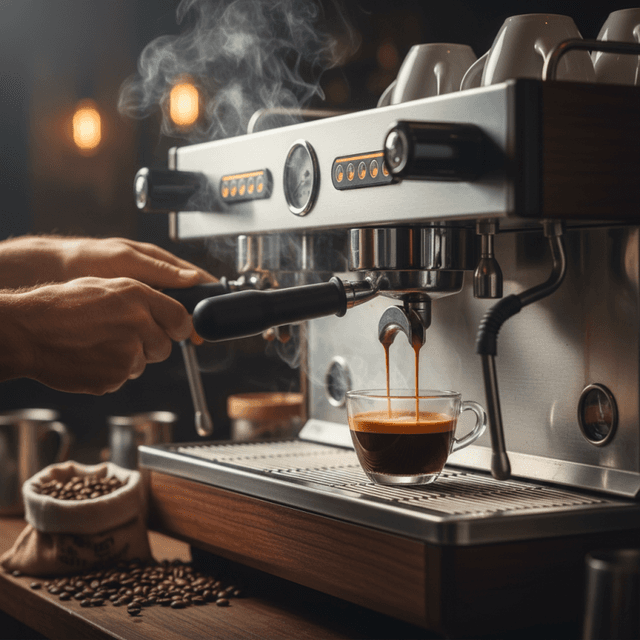
An espresso machine is a unique device designed for brewing coffee. It uses pressure to extract flavors from finely-ground coffee beans. This process creates a concentrated shot of espresso, full of rich aromas. The machine employs steam or water heated to high temperatures. Pressure pushes the water through the coffee grounds. This results in thick, dark coffee topped with a creamy foam known as crema.
Most machines include a portafilter, where the coffee is packed. The grind size is crucial. Finely ground coffee produces a stronger flavor, while coarser grounds might dilute the taste. Temperature and pressure need to be controlled precisely. Any deviation can lead to over-extraction, making the coffee bitter, or under-extraction, leaving it sour.
Users often find espresso machines intimidating. Learning proper techniques takes time. Many enthusiasts struggle with consistency. They may brew delicious coffee one day, only to face disappointment the next. Experimentation is essential. Each trial offers valuable lessons, leading to better results. Mastering espresso preparation can feel like an art form, reflecting both dedication and creativity.
The Historical Evolution of Espresso Machines
The espresso machine has a fascinating history. It started in Italy during the early 20th century. The first machines were very different from today’s models. They required manual operation and a deep understanding of coffee brewing. These Old Espresso Machines used steam to create pressure. Early users faced challenges with consistency and flavor.
Over the decades, technology evolved. The introduction of electric pumps marked a significant change. This innovation allowed for more precise control over pressure and temperature. Coffee lovers began to appreciate the rich flavorsthat emerged from better machines. However, some enthusiasts miss the charm of the Old Espresso Machine. The craftsmanship and hands-on experience are irreplaceable.
Today’s machines automate much of the brewing process. While they are efficient, they can sometimes lack the character of their predecessors. Some baristas prefer to experiment with older machines, finding joy in the unpredictability of manual brewing. This evolution reflects a blend of heritage and modernity, something worth reflecting on.
Key Components of an Espresso Machine and Their Functions
An espresso machine is a complex piece of equipment. Understanding its key components can enhance your coffee-making experience. One essential part is the pump. This device creates the pressure needed to force hot water through the coffee grounds. Without this, espresso cannot be brewed correctly.
Another crucial component is the group head. It’s where the brewing happens. The coffee grounds are packed here, and the water flows through them. A well-functioning group head ensures even extraction. Poor extraction leads to bitterness or sourness in flavor.
The steam wand is also significant. It froths milk for lattes and cappuccinos. This can be tricky to master. Many struggle with getting the right texture for milk. Some froth too much or not enough. Achieving balance requires practice. The Crem Espresso Machine offers a great way to explore and refine these skills. It combines essential components for delicious results.
What is an Espresso Machine and How Does It Work?
| Component | Function |
|---|---|
| Water Reservoir | Stores water for brewing; provides the necessary hydration for coffee extraction. |
| Pump | Generates the pressure required to push hot water through the coffee grounds. |
| Boiler | Heats the water to the ideal temperature for brewing espresso, usually between 190°F to 205°F. |
| Group Head | Where the coffee grounds are held and water is forced through during extraction. |
| Portafilter | Holds the coffee grounds in place and attaches to the group head for brewing. |
| Steam Wand | Used for frothing milk to create cappuccinos and lattes by injecting steam. |
How Pressure and Temperature Affect Espresso Extraction
Understanding how pressure and temperature impact espresso extraction is vital. The right pressure is crucial for brewing a perfect shot. Most machines operate around 9 bars of pressure. This creates a rich crema on top, which enhances flavor. However, too much pressure can lead to bitterness.
Temperature also plays a significant role. Aiming for around 90-96°C is ideal. Water that’s too hot can scorch the coffee. This can ruin the extraction process and lead to a flat taste. Conversely, lower temperatures may not extract flavors effectively. Each bean variety requires slight adjustments.
Tips: Use a thermometer to monitor the water temperature. Experiment with different pressures by adjusting your grind size. A finer grind increases resistance and pressure. Watch your flow rate; a slower extraction can mean greater flavor. Start with the "First Espresso Machine" settings, then tweak to suit your taste. You might discover something unexpected and delightful, or you could miss the mark entirely.
Espresso Extraction Pressure and Temperature Effects
Step-by-Step Guide to Brewing Espresso with a Machine
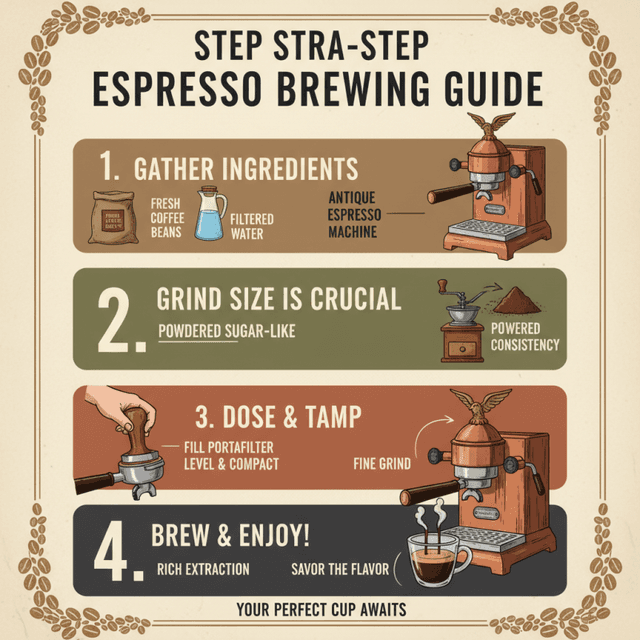
Brewing espresso with an espresso machine can be a rewarding experience. Start by gathering all your ingredients: fresh coffee beans, filtered water, and your trusty Antique Espresso Machine. The right grind size is crucial. Beans should be finely ground, resembling powdered sugar. This consistency allows for a rich extraction of flavors.
Next, measure out the coffee. A common ratio is one to two, meaning one part coffee to two parts water. Pack the grounds tightly into the portafilter, but avoid overdoing it. When you lock the portafilter into the machine, some pressure is applied. Press a button or pull a lever, and watch the magic unfold. The extraction should take around 25 to 30 seconds. If it runs too fast, your grind might be too coarse. If it's too slow, it might be too fine.
While this process can seem straightforward, it often requires practice to get it just right. Don’t get discouraged if your first few attempts aren’t perfect. Espresso brewing involves careful adjustments and experimentation. Keep a notebook to track your grind size, water temperature, and brew time. Reflection will help you refine your technique. In the end, the unique character of your Antique Espresso Machine adds a special touch to every cup brewed. Enjoy the journey of crafting espresso!
Comparison of Different Types of Espresso Machines in the Market
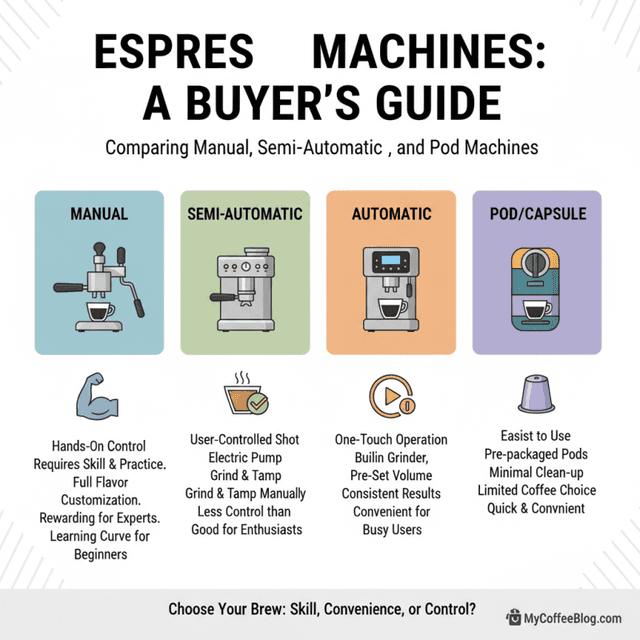
When exploring espresso machines, it's essential to understand the different types available. Each type offers unique features and brewing styles. Manual machines require skill and patience. Users control every aspect of the brewing process. This can be rewarding but also frustrating for beginners.
Semi-automatic machines provide more convenience. They allow users to grind and tamp coffee, then let the machine manage brewing pressure. This strikes a balance between control and ease. In contrast, fully automatic machines take care of everything. Just press a button and wait for a perfect cup. However, they may lack the nuanced flavors that manual methods can achieve.
With pod machines, convenience is key. Just insert a capsule and brew. While these are quick and easy, the result often falls short of fresh coffee grounds. Cleaning can also be an issue. Lastly, super-automatic machines aim to simplify the process even more. They grind, tamp, and brew, offering a wide range of settings. However, they can be overly complex and expensive for casual users. Each type presents its challenges and rewards, making the choice personal and reflective of one’s coffee journey.
Common Issues and Maintenance Tips for Espresso Machines
Espresso machines are sophisticated devices that help brew strong coffee. However, they can face issues over time. Common problems include inconsistent pressure, blockages, and temperature fluctuations. Regular maintenance is essential to keep the machine functioning well.
Cleaning is crucial. Coffee oils can build up and affect the taste. Make sure to clean the portafilter and group head regularly. Use a soft brush to remove residue. Scale build-up is another problem due to water hardness. Descaling should be done every few months. Follow the machine’s recommendations for the right descaling solution.
Always check seals and gaskets. Over time, they can wear or crack. This can lead to leaks. If you notice any water pooling, that’s a red flag. Consider replacing these parts before issues escalate. Keeping an eye on these details can prolong the life of youR Espresso machine.
Brewing Perfection: Exploring the Best Italian Espresso Capsule Machines for Coffee Lovers
For coffee lovers seeking the perfect brew at home, the latest innovations in Italian espresso capsule machines offer a delightful combination of convenience and quality. One standout model is the TC06S, recognized as the world's smallest capsule Coffee Machine, thoughtfully designed with a patented automatic pop-up system. This compact appliance effortlessly fits into any kitchen, boasting a sleek profile with dimensions of just 294L x 86W x 224H mm, while its lightweight design makes it easy to handle without compromising on performance.
Equipped with advanced features, the TC06S provides three touch buttons for espresso, short espresso, and long espresso modes, allowing users to customize their coffee experience. With a pump pressure of 20 bar and a water tank capacity of 580ml, it ensures rich flavor extraction and consistency in every cup. The precise flow control enables reprogrammable cup sizes, catering to individual preferences with ease. Additionally, the machine incorporates an energy-saving system that automatically shuts down after eight minutes of inactivity, making it not only efficient but also eco-friendly.
The TC06S is designed with user comfort in mind, featuring a special suction cup design for stability during operation, and it includes options for both sliding metal and plastic handles. With the ability to brew up to several thousand units per container, this espresso machine is perfect for both personal use and small-scale setups, bringing the authentic Italian coffee experience into any home.
FAQS
: Espresso machines began in Italy in the early 20th century. Early models required manual operation and coffee brewing knowledge.
Technology has improved, introducing electric pumps for better pressure control. However, some miss the charm of older models.
Pressure is crucial; machines typically operate at 9 bars. Too much pressure can cause bitterness in the espresso.
Aim for a temperature between 90-96°C to avoid scorching the coffee. Incorrect temperatures can ruin flavor extraction.
Adjusting your grind size can affect pressure. A finer grind increases resistance, potentially enhancing flavor during extraction.
Manual machines require skill and patience, while automatic machines offer convenience but may lack nuanced flavors.
Pod machines are quick and easy. However, they might not deliver the freshness of ground coffee and can be messy.
They simplify the brewing process, grinding and brewing with various settings. Yet, they may be complex and pricey for casual users.
Some enthusiasts enjoy the unpredictability and craftsmanship of manual brewing. This experience can be more fulfilling but can also frustrate beginners.
Reflect on your preferences and brewing style. Each type of machine offers unique challenges and rewards, so choose what fits your journey.
Conclusion
An Espresso Machine is a specialized device designed to brew coffee by forcing hot water through finely-ground coffee under high pressure. This process creates a rich, concentrated coffee known for its distinctive crema and robust flavor. The evolution of espresso machines has seen significant advancements, from the early steam-driven models to the sophisticated, technology-driven machines of today. Key components such as the pump, boiler, and group head play crucial roles in ensuring the perfect espresso extraction by controlling elements like pressure and temperature.
Brewing espresso involves precise techniques to achieve the ideal balance of flavors, and understanding the different types of machines available can help users choose the right one for their needs. Common issues, such as clogs or inconsistent brewing, often arise with espresso machines, but routine maintenance and proper care can enhance longevity and performance. Overall, mastering the art of espresso brewing using an Espresso Machine can elevate the coffee experience.
Related Posts
-
Top 7 Espresso Machines for Coffee Lovers in 2023: Brew Like a Barista
-
Top 10 Best Coffee Machines for Home Brewing in 2023
-
Best Espresso Machine for Home Use in 2026?
-
Top 10 Benefits of Using a Power Airfryer for Healthy Cooking
-
The Ultimate Guide to Finding the Best Safest Air Fryers for Global Buyers
-
What to Look for in a Modern Coffee Machine: A Comprehensive Guide for Global Buyers